
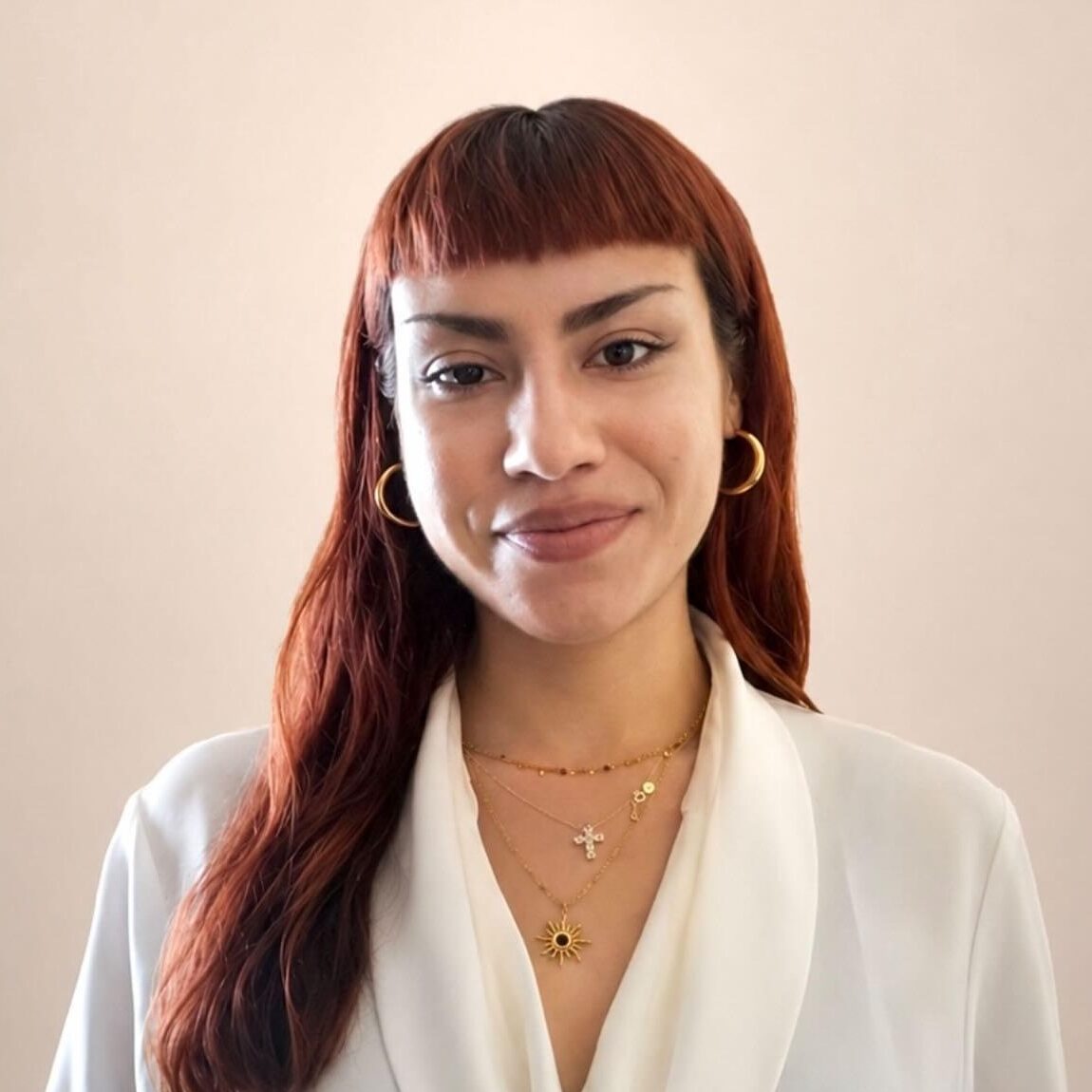
Ariadni Niarchou
DC8

As a dietitian nutritionist with a strong interest in the interactions of diet, gut microbiome and metabolism, I am excited to contribute to the BioTransform project. I’m truly inspired to investigate how bilberry and olive oil bioactives are metabolised and how their transformation products may support healthier metabolic pathways.
DC8: In vitro microsomal metabolism of dialysates produced in the GIDM-Colon and activity of metabolites
Supervisor:
Prof. Maija Dambrova
Co-Supervisors: Prof. Nina Hermans (UAntwerp), Dr. Job Tchoumtchoua (CELABOR)
Secondments This project is carried out in strong collaboration with the institutions listed below:
- Natural Products & Food Research and Analysis – Pharmaceutical Technology (NatuRAPT), University of Antwerp, Belgium
- Medical School, Laiko General Hospital, National and Kapodistrian University of Athens (NKUA), Greece
- CELABOR, Herve, Belgium
Project description
The project investigates the biotransformation and biological relevance of bilberry bioactives and olive oil biophenols by combining in vitro microsomal metabolism studies with advanced UPLC‑MS/MS analytical workflows. By characterizing the intestinal and hepatic metabolites produced from GIDM‑Colon dialysates, the aim is to elucidate their ADMET properties and assess their functional impact on glucose uptake, mitochondrial activity, inflammation, and insulin signalling pathways. This work will contribute to the identification of novel metabolites with potential anti‑obesity and anti‑diabetic activities, advancing our understanding of how key European dietary bioactives influence metabolic health.
Professional background
Ariadni Niarchou is a registered dietitian nutritionist based in Greece with a master level background in Food, Nutrition & Microbiome and Biomedical Informatics. Her experience includes a 10‑month research internship at the University of Glasgow, where she participated in clinical trials investigating the role of the gut microbiome in health and gastrointestinal disease. She contributed to all stages of the research process, including dietary assessment, patient interventions, sample collection, and laboratory analyses. Her laboratory training covered DNA extraction, SCFA analysis, in vitro fermentation of stool samples, metabolomic extraction, PBMC isolation and culture, cell counts and sulphide measurements, thus she processed a wide range of liquid biopsies (urine, saliva, blood, faeces). Additionally, she completed a 3‑month traineeship at the Helmholtz Institute for Metabolic, Obesity and Vascular Research (HI‑MAG) in Leipzig, supporting human adipose tissue and microbiome related metabolic research. There, she strengthened her expertise in molecular biology and cell culture techniques, including adipocyte handling and differentiation, viability assays, staining, RNA extraction, cDNA synthesis, qPCR, ELISA, SDS‑PAGE and Western blotting, while also expanding her computational skills in Python, data preprocessing and predictive modelling of biological age from adipocyte gene expression datasets. Her profile is further strengthened by 4-month experience in a food science quality assurance role, active contributions to Autism Spectrum Disorders related nutrition research, participation in international research collaborations and educational projects such as the Dis4Food Erasmus+ initiative, teaching and scientific outreach activities and a growing record of conference presentations and published scientific abstracts. These experiences have equipped her with a strong interdisciplinary foundation spanning experimental research, data analysis and critical scientific thinking.